







An owner with a mid-size office building in a secondary market is fielding inquiries from a regional flex operator. The building has meaningful vacancy. The owner wants to fill it but keeps circling the same question: is this flex demand real, or will it resolve itself back into traditional tenants once the economy stabilizes? They delay. Meanwhile, the local independent professional community keeps growing. The window quietly closes.
This scenario repeats across markets every month. And the question at the center of it, "is flex structural or temporary," sounds like smart strategic thinking. It feels like the kind of question a disciplined owner should be asking before committing capital.
What that question actually does is hand the positioning decision to a macro debate that will never deliver a local answer.
The Macro Question Is a Delay Mechanism
The labor market fracture of the past several years didn't just shift sentiment about lease terms. It created a distinct and growing tenant profile: independent professionals, project-based teams, early-stage companies, and flexibility-seeking small firms that traditional leasing architecture was never built to reach.
National office vacancy rates have pushed past 20% in many metros, with secondary markets seeing some of the sharpest divergence between traditional demand and emerging flex interest.[1] The structural pressures on conventional office aren't abstract. They show up in lease-up timelines, in tenant improvement negotiations that go nowhere, in buildings where the competitive set has quietly shifted underneath the owner's feet.[2]
Waiting for the macro debate to resolve is outsourcing your positioning decision to a question that will never give you a local answer.
Owners tracking the global coworking market, projected to grow at over 15% annually through the end of the decade, sometimes treat that number as either a green light or a reason for skepticism.[3] Neither reaction is useful. Aggregate growth rates tell you nothing about whether the demand profile exists around your specific asset.
The Demand Signal Worth Reading
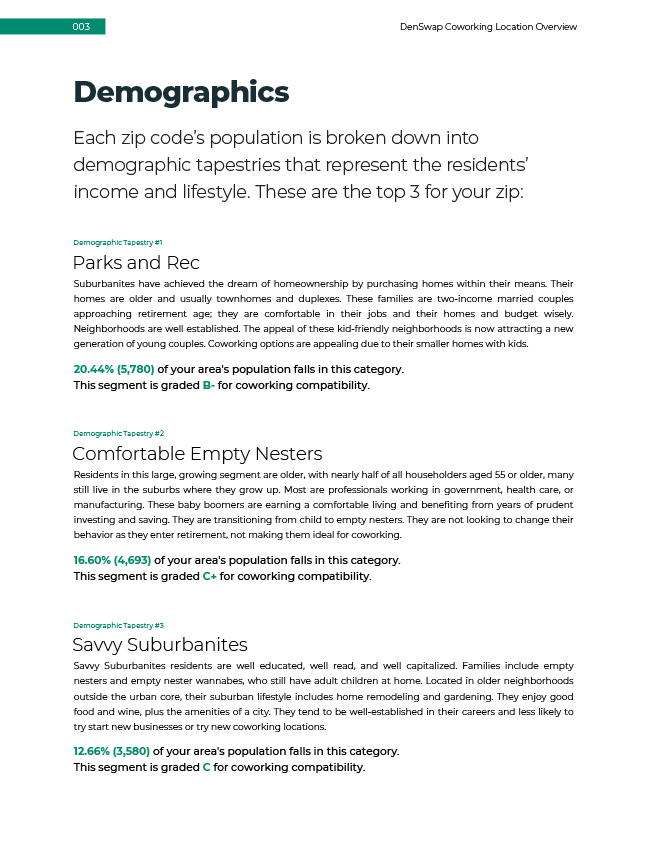
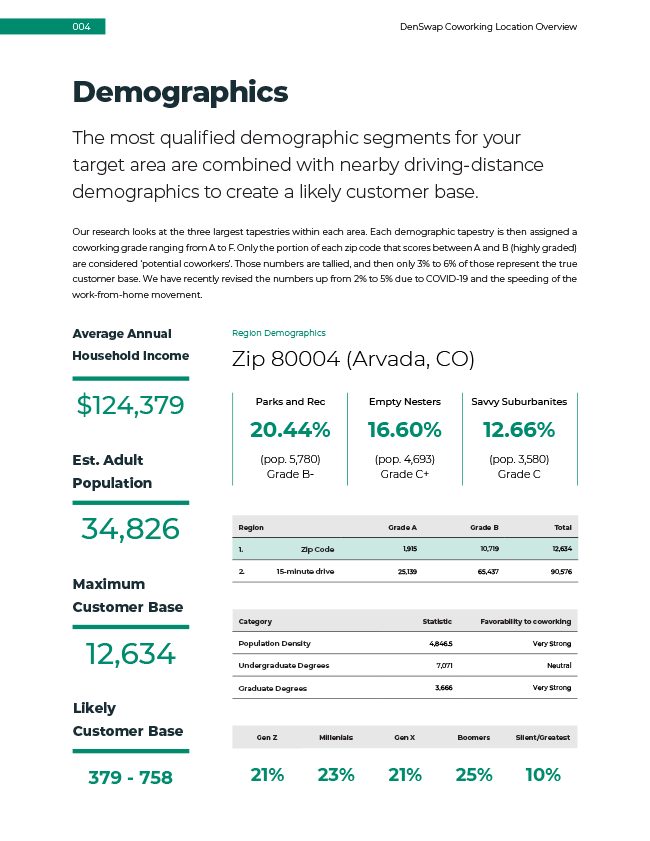
Coworking and flex demand does not distribute evenly. It concentrates around local professional ecosystems, remote-work-adjacent employment bases, and submarkets where independent work has normalized. A secondary market with a growing base of remote knowledge workers, freelance professionals, or small advisory firms may have a deeper flex demand profile than a primary CBD where traditional tenants still dominate.
What actually matters is whether that specific tenant profile has already formed in sufficient depth within your asset's draw radius. Research on structural office shifts confirms that the divergence between assets positioned for emerging demand and those still waiting on traditional tenant recovery is widening, not narrowing.[4] Owners who read the local signal early hold optionality. Waiting for macro confirmation usually means discovering the demand profile after someone else has already built around it.
Over 40% of U.S. workers now operate in some form of hybrid or remote arrangement.[5] That number is not a trend line owners can afford to watch flatten. Behind it sits a permanently restructured base of potential tenants who need space on different terms, in different configurations, on different timelines than a five-year direct lease can offer.
Framing flex as a market timing question is the wrong move. Local demand either exists around your asset or it doesn't, and that's knowable before you commit a dollar.
What Smart Operators Figured Out First
Operators winning right now didn't resolve the structural-versus-temporary debate. They stopped having it entirely and moved to a different question before committing to buildout: who is already working this way around this asset, what are they using now, and what would make this building their obvious choice?
Answerable before a single dollar moves toward construction.
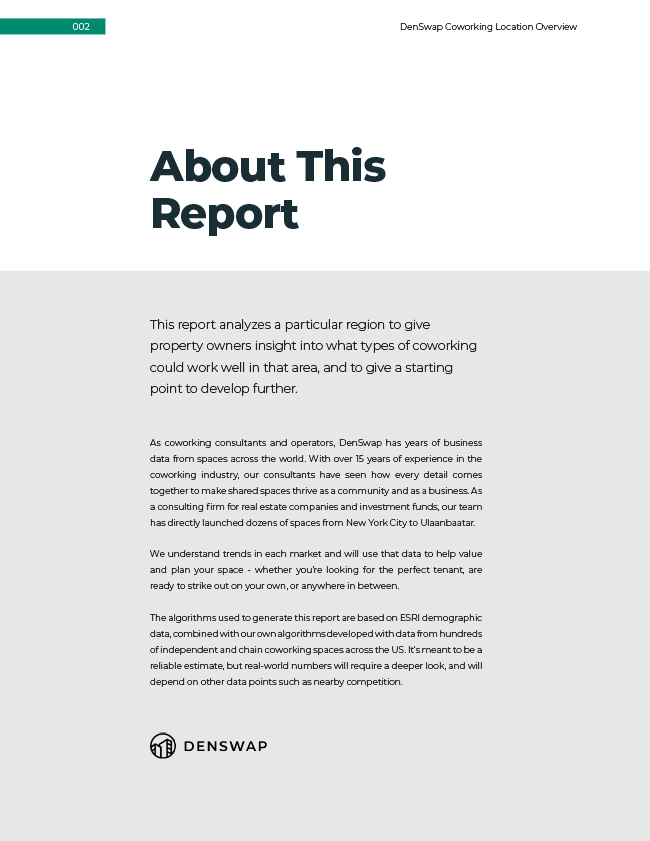
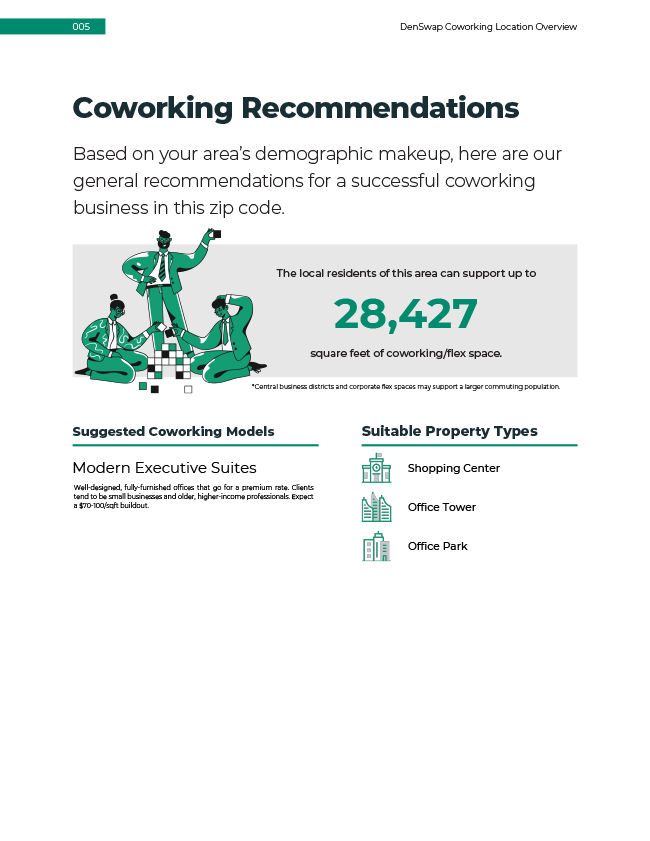
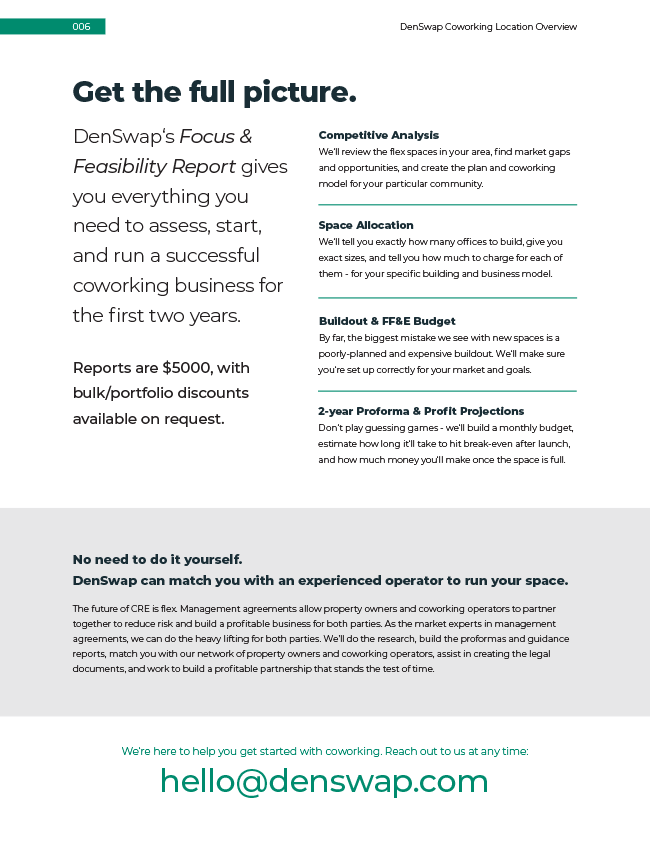
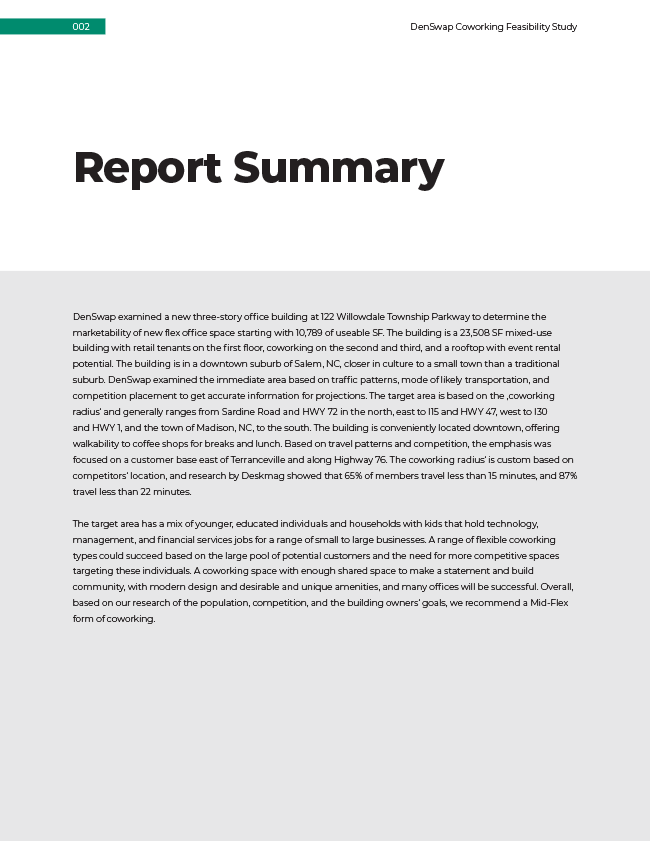
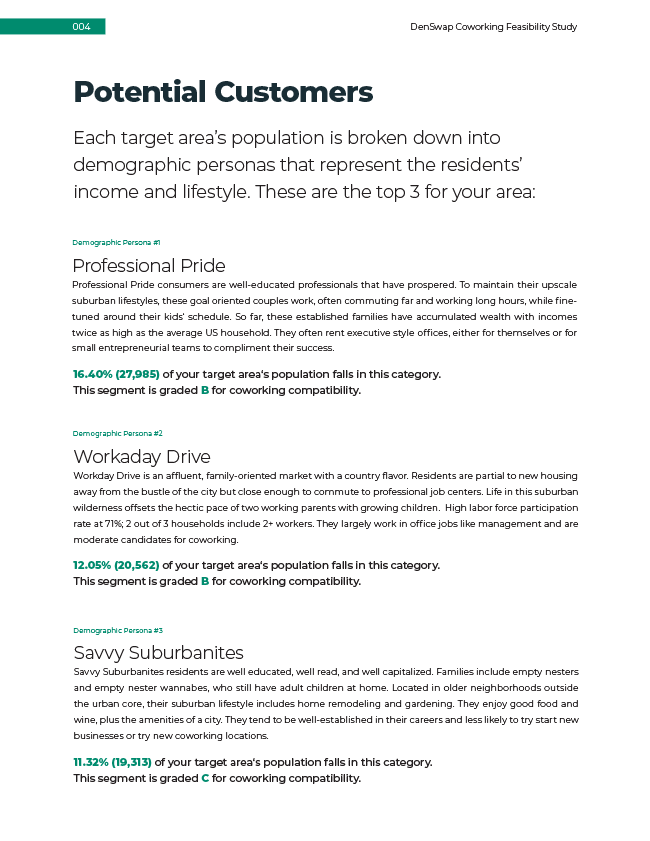
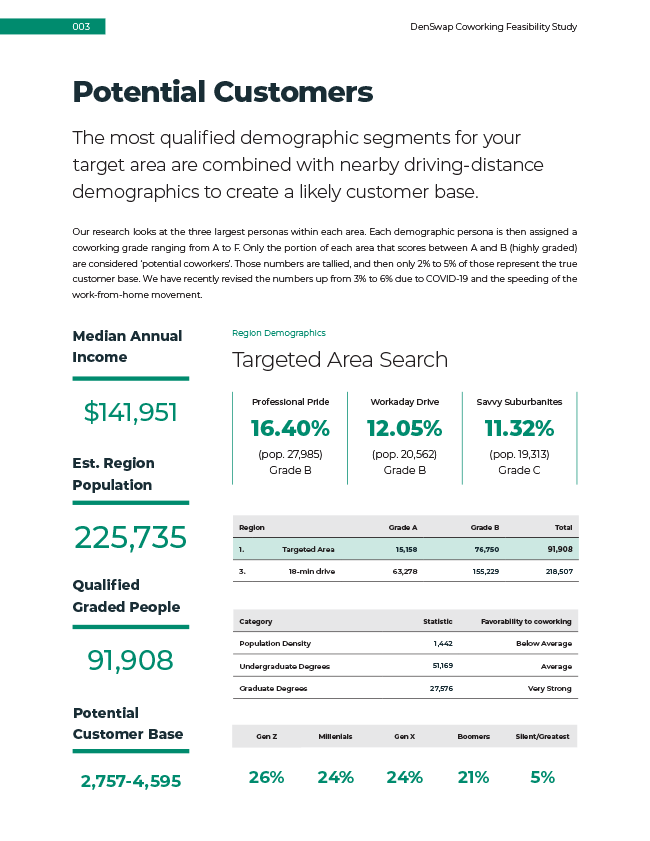
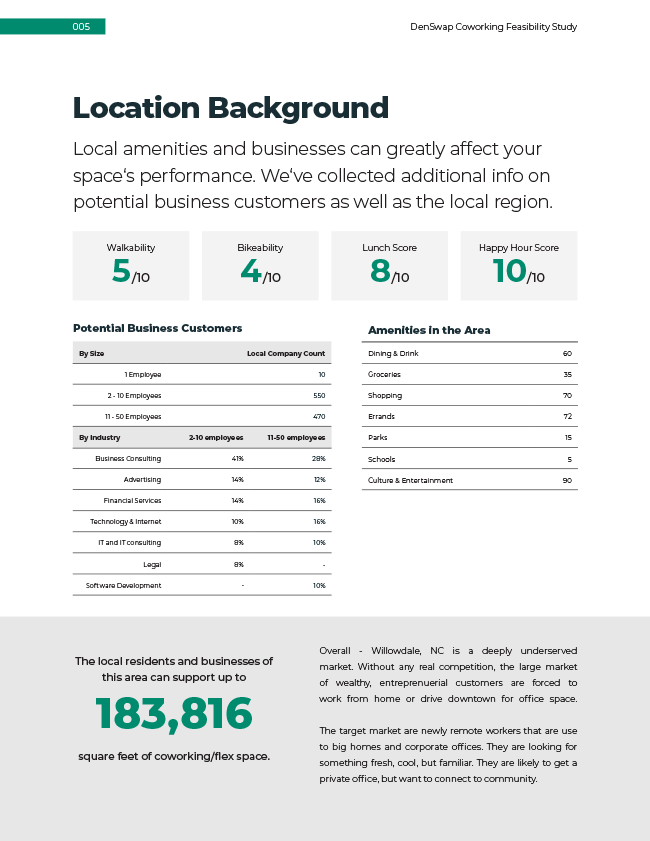
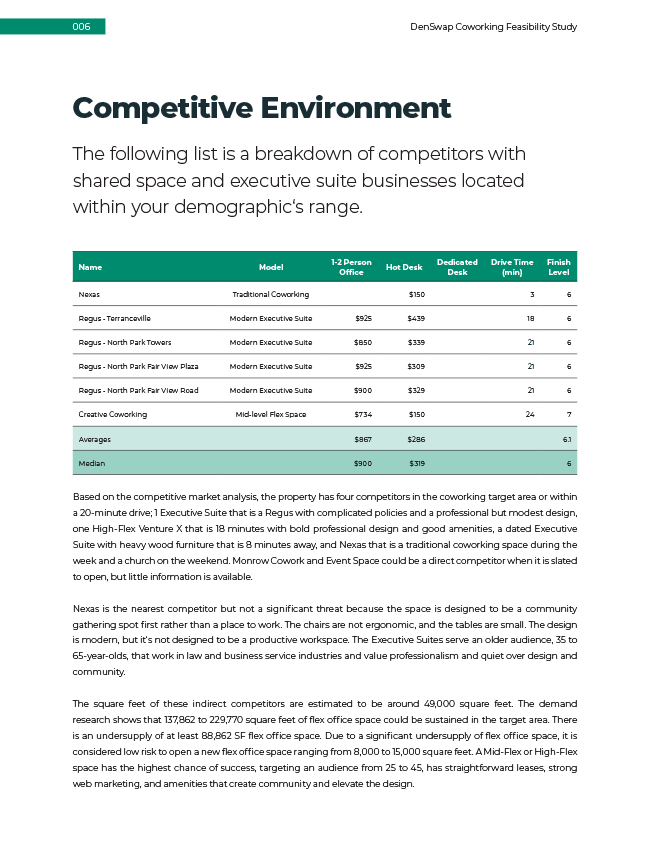
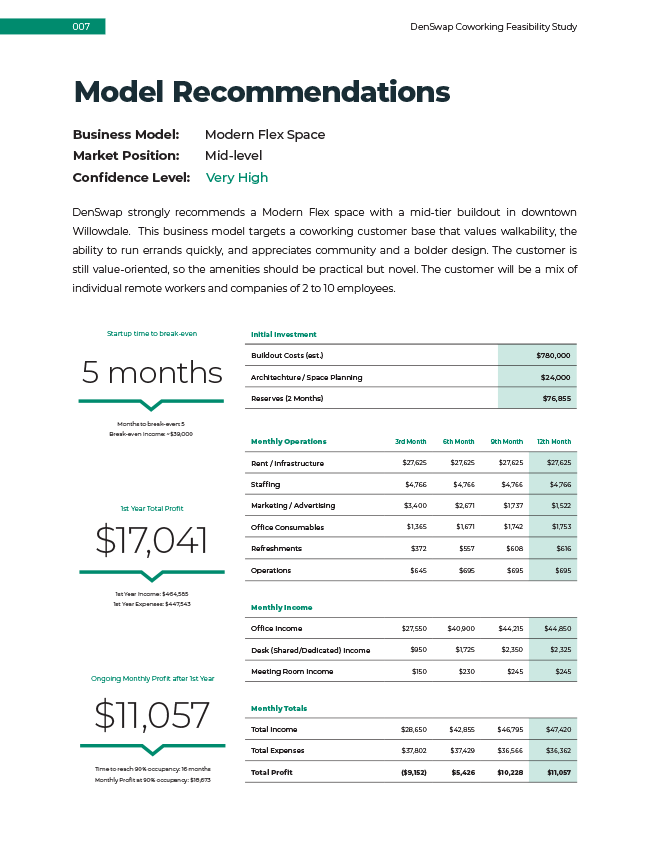
DenSwap's demand reports are built to convert the abstract macro question into a specific local answer. Validate whether the demand profile exists in your market, who comprises it, and whether your asset is positioned to capture it, before the positioning decision becomes a capital commitment.
The tenant base that needs flex space is forming now, in specific and identifiable concentrations around specific assets. Owners who treat that as a local demand question, rather than a macro bet, are the ones making positioning calls with enough lead time to matter. Markets don't wait for the debate to end. Neither should you.